
Can an OWI Charge Be Dismissed or Reduced in Indiana?
September 18, 2026
A plain-English guide to evidence, defenses, plea agreements, and possible outcomes
Prepared by Robert H. Bellinger II
Bellinger Law Office
An Indiana OWI arrest does not automatically lead to an OWI conviction. The State must prove every part of the charge with admissible evidence.
Some cases are dismissed. Others are reduced through A plea agreement. Many cases continue as charged. The possible result depends on the traffic stop, the officer’s investigation, the chemical test, the available recordings, and the person’s record.
KEY TAKEAWAYS
- An OWI arrest is not the same as a conviction.
- The legality of the traffic stop may affect the evidence that can be used.
- Field sobriety and chemical-test evidence should be reviewed carefully.
- Video, reports, and witness statements may support or weaken the charge.
- A plea agreement may reduce the charge or the penalties, but no result is guaranteed.
Deadlines and driver’s-license issues may continue while the criminal case is pending.
The best way to evaluate an OWI case is to review the actual evidence. A person should not assume that the charge will disappear, but should also not assume that a conviction is unavoidable.
What Must the State Prove?
The exact elements depend on the charge. In general, Indiana OWI cases focus on whether the person operated a vehicle and whether the person was intoxicated or had a prohibited alcohol concentration.
Some charges also require proof of another fact, such as endangerment, a prior conviction, a young passenger, serious bodily injury, catastrophic injury, or death.
If the State cannot prove a required element beyond a reasonable doubt, the person cannot be convicted of that charge.
Professional insight: The charge written on the court papers is the State’s allegation. It is not proof. The evidence must be compared to each legal element of the offense.
Was the Traffic Stop Lawful?
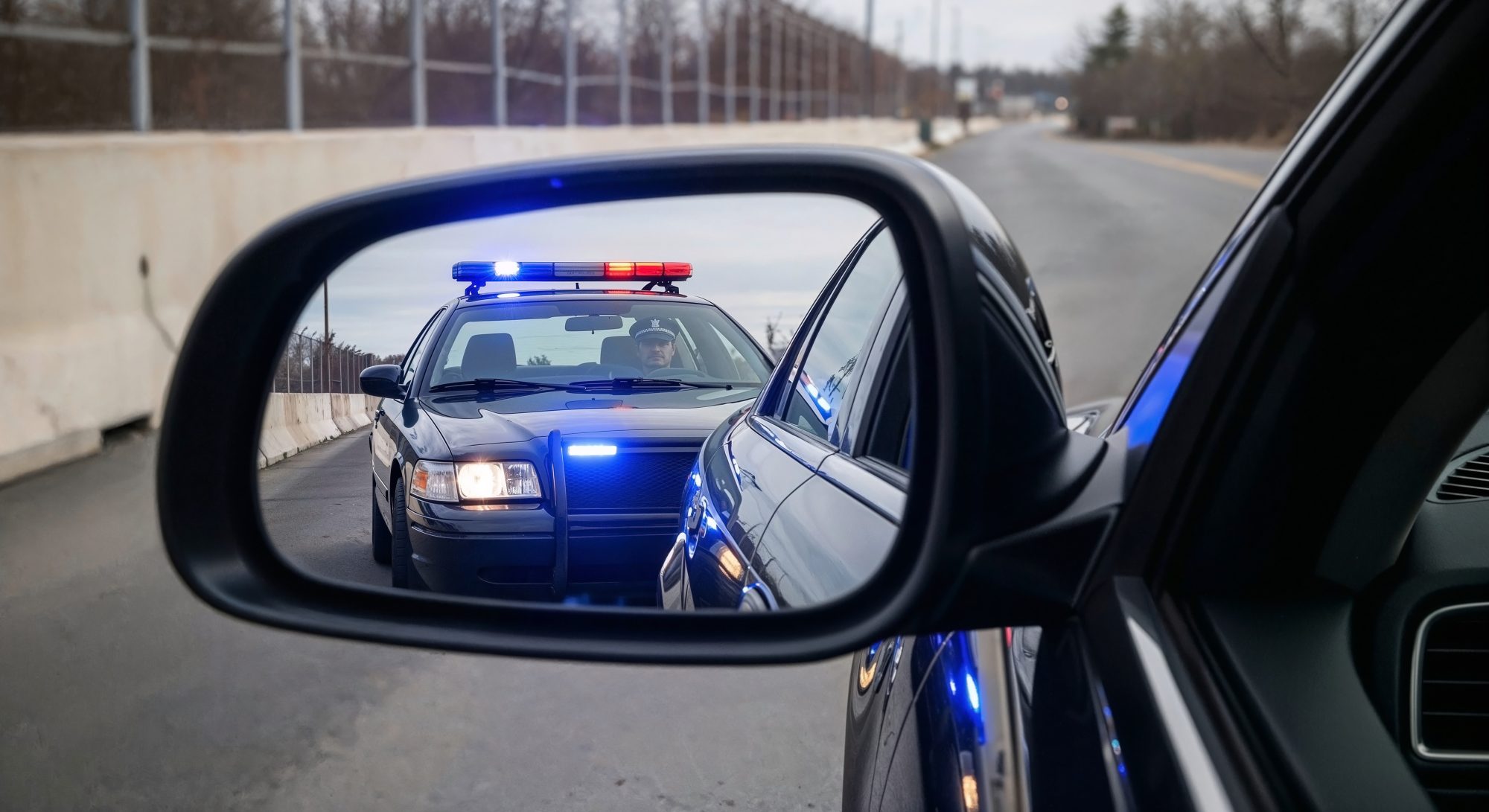
An officer generally needs a lawful reason to stop a vehicle. That reason may be a traffic violation, unsafe driving, equipment trouble, or facts that create reasonable suspicion of a crime.
A defense review may ask:
- What did the officer claim to see?
- Does the video support the officer’s report?
- Did the officer identify a specific traffic violation?
- How long did the officer watch the vehicle?
- Did a caller or another officer provide information?
- Did the investigation go beyond the proper scope of the stop?
If a court finds that a stop or detention violated the law, some evidence may be suppressed. Suppression means that the State may not be allowed to use that evidence. Whether suppression leads to dismissal depends on what other evidence remains.
Did the Officer Have Probable Cause?
Probable cause is a different question from guilt beyond a reasonable doubt. The officer may rely on driving, speech, balance, odor, admissions, field tests, a portable breath test, a certified chemical test, or other observations.
A lawyer may compare the probable-cause affidavit, body-camera recording, dash-camera recording, dispatch record, and chemical-test documents. Important differences or missing facts may affect the case.
Can Field sobriety tests Be Challenged?
Field sobriety tests are used to look for signs of impairment. They are not perfect. Performance may be affected by medical conditions, injuries, age, footwear, road conditions, weather, lighting, nervousness, fatigue, and the officer’s instructions.
A review may consider:
- Whether the officer explained and demonstrated the test
- Whether the location was safe and reasonably level
- Whether the officer followed accepted procedures
- Whether the person reported a medical or physical problem
- Whether the video matches the officer’s written description
A weak field test does not automatically dismiss a case. It may, however, affect the weight of the evidence or the strength of the State’s position.
Can Breath-Test Evidence Be Challenged?
Indiana uses certified breath-testing equipment in many OWI cases. A breath-test number may be important evidence, but the State must still establish that the test is legally admissible.
Issues may include:
- Whether the operator was properly certified
- Whether the machine was approved and properly checked
- Whether required procedures were followed
- Whether the test was completed within the required time
- Whether the sample was accepted and recorded correctly
- Whether the documents match the officer’s testimony
Professional insight: A printed test result should be reviewed with the operator records, machine records, observation details, and video. One page rarely tells the entire story.
Can Blood-Test Evidence Be Challenged?
A blood test may be obtained with consent, under Indiana’s implied-consent law, or through a search warrant. The legal basis for the draw and the handling of the sample should be reviewed.
Possible questions include:
- Was there valid consent or a valid warrant?
- Who drew the blood, and was that person authorized?
- Were proper collection materials used?
- Was the sample sealed, stored, and transported correctly?
- Can the State show a reliable chain of custody?
- Were the laboratory methods and results properly documented?
A problem with one part of the process does not always make the result inadmissible. The importance of the problem depends on the law and the facts.
What If Drugs Were Alleged?
An Indiana OWI case may involve illegal drugs, prescription medication, or a combination of substances. Finding a substance in a person’s body does not always answer whether the person was impaired when operating the vehicle.
The defense may review the amount detected, the time of use, prescribed directions, observed behavior, toxicology information, and whether another medical or physical condition explains the person’s appearance.
What If the Person Was Not Driving?
Indiana law uses the word operating. The State may try to prove operation through an officer’s observation, a witness, video, admissions, the location of the person, control of the vehicle, or surrounding circumstances.
Cases involving a parked vehicle, an accident with no eyewitness, or several possible drivers may raise important factual questions. The State must still connect the accused person to operation of the vehicle.
Can Statements Be Kept Out of Court?
Statements may become important evidence. A lawyer may review whether the person was in custody, whether questioning occurred, whether Miranda warnings were required, and whether any statement was voluntary.
Not every roadside question requires a Miranda warning. The setting, restraint, words used by the officer, and timing of the statement all matter.
What Evidence Should Be Collected?
Useful evidence may disappear or become harder to obtain. Depending on the case, a defense investigation may seek:
- Body-camera and dash-camera recordings
- Dispatch and 911 records
- Police reports and probable-cause affidavits
- Breath-machine and operator records
- Blood-draw and laboratory records
- Medical and prescription records
- Business or home security video
- Vehicle data, photographs, and accident records
- Names and contact information for witnesses
Requests should be made promptly because some recordings and records are kept for only a limited time.
How Can a Charge Be Dismissed?
A prosecutor may dismiss a charge when the available evidence is not sufficient, an important witness is unavailable, evidence is suppressed, testing cannot be supported, or another serious problem affects the case.
A judge may also rule on legal issues that change what evidence can be used. A judge does not dismiss a charge merely because the accused person has no prior record or would suffer hardship from a conviction.
Dismissal is never guaranteed. Even when one piece of evidence is excluded, the State may continue with other evidence.
How Can a Charge Be Reduced?
A plea agreement is a negotiated resolution. The prosecutor may agree to dismiss or reduce one charge, limit a sentencing recommendation, or resolve several charges together. The court must approve the agreement when court approval is required.
Factors that may affect negotiations include:
- The strength and admissibility of the evidence
- The alcohol concentration or toxicology result
- The quality of the driving
- Whether anyone was endangered or injured
- The person’s criminal and driving history
- Compliance with bond and court orders
- Evaluation, treatment, or other corrective steps
- Local court and prosecutor policies
A reduced charge may still carry important consequences. Before accepting an agreement, a person should understand the criminal sentence, license effects, insurance issues, employment concerns, and future impact.
Should You Plead Guilty at the First Hearing?
A person should understand the charge and possible consequences before entering a guilty plea. In many cases, the defense has not yet received all discovery at the first hearing.
A not-guilty plea preserves the person’s right to review the evidence, file appropriate motions, negotiate, and prepare for trial. It is not a claim that the case will be dismissed.
What Should You Do While the Case Is Pending?
- Attend every court hearing
- Follow all bond and release conditions
- Do not drive unless your privileges are valid
- Preserve papers, messages, photographs, and possible video
- Write down the names of possible witnesses
- Avoid discussing the facts online
- Tell your attorney about medical conditions and medications
- Complete requested evaluations or treatment after receiving legal advice
Following court orders is important even when the charge is disputed.
The Bottom Line
An Indiana OWI charge may be dismissed or reduced, but the outcome depends on the evidence and the law. Possible issues include the traffic stop, probable cause, field tests, breath or blood testing, statements, proof of operation, and aggravating facts.
No single defense applies to every case. The police reports and test result should be compared to the recordings, records, witness accounts, and required legal elements.
Early review matters because court deadlines continue and useful evidence may not be preserved forever.
Speak With an Indiana OWI Attorney
If you have been charged with OWI in Indiana, Bellinger Law Office can review the evidence, explain the possible defenses, and help you understand your options.
A careful review can identify the strongest issues for motions, negotiations, or trial and can help you make informed decisions about the case.
Contact our office to schedule a consultation regarding an Indiana OWI charge.
This article provides general information, not legal advice, and does not create an attorney-client relationship. Laws may change, and results depend on specific facts. Speak with a qualified attorney about your situation.

Posts You May also Like
Can an OWI Charge Be Dismissed or Reduced in Indiana?
A plain-English guide to evidence, defenses, plea agreements, and possible outcomes Prepared by Robert H. Bellinger II Bellinger Law Office An Indiana OWI arrest does not automatically lead to an…

Understanding Property Division in an Indiana Divorce
Key Takeaways Indiana generally starts with the idea that marital property should be divided equally. That does not mean every asset must be split in half. Property owned before marriage…

What Happens if Police Find Drugs During a Traffic Stop?
A seemingly routine traffic stop can change fast. One moment you're pulled over for a broken taillight; the next, police are searching your vehicle. If drugs are found during this…

Schedule A Consultation

NUVEW | Copyright 2026 All Rights Reserved | Accessibility Notice | Privacy statement
Attorney Advertising. This information is designed for general information only. The information presented should not be construed to be formal legal advice nor the formation of a lawyer/client relationship. Past results and testimonials are not a guarantee, warranty, or prediction of the outcome of your case, and should not be construed as such. Past results cannot guarantee future performance. Any result in a single case is not meant to create an expectation of similar results in future matters because each case involves many different factors, therefore, results will differ on a case-by-case basis. By providing contact information, users acknowledge and give explicit consent to be contacted via the methods of communication provided, including SMS. Message and data rates may apply. Message frequency may vary. Reply STOP to opt out.