November 17, 2026
When police arrest you, they immediately take your phone and slip it into an evidence bag. However, they don’t have free rein to scroll through your texts, photos, and call history without your permission. This runs contrary to what most people assume, but knowing when officers can and can’t search your phone can make all the difference in your case.
Key Takeaways
- Police can seize your phone during an arrest, but seizing it and searching its contents are two different legal actions.
- Officers generally need a warrant to search the digital contents of your phone, per the Supreme Court’s ruling in Riley v. California (2014).
- Consent or specific emergency circumstances can allow police to search your phone without a warrant.
- You generally cannot be compelled to reveal a passcode, although the rules around biometric unlocking (fingerprint or Face ID) are less settled and vary by jurisdiction.
- If police searched your phone unlawfully, evidence obtained may be suppressed with the help of a skilled defense attorney.
What Is the Difference Between Seizing a Cell Phone and Searching Its Digital Contents?
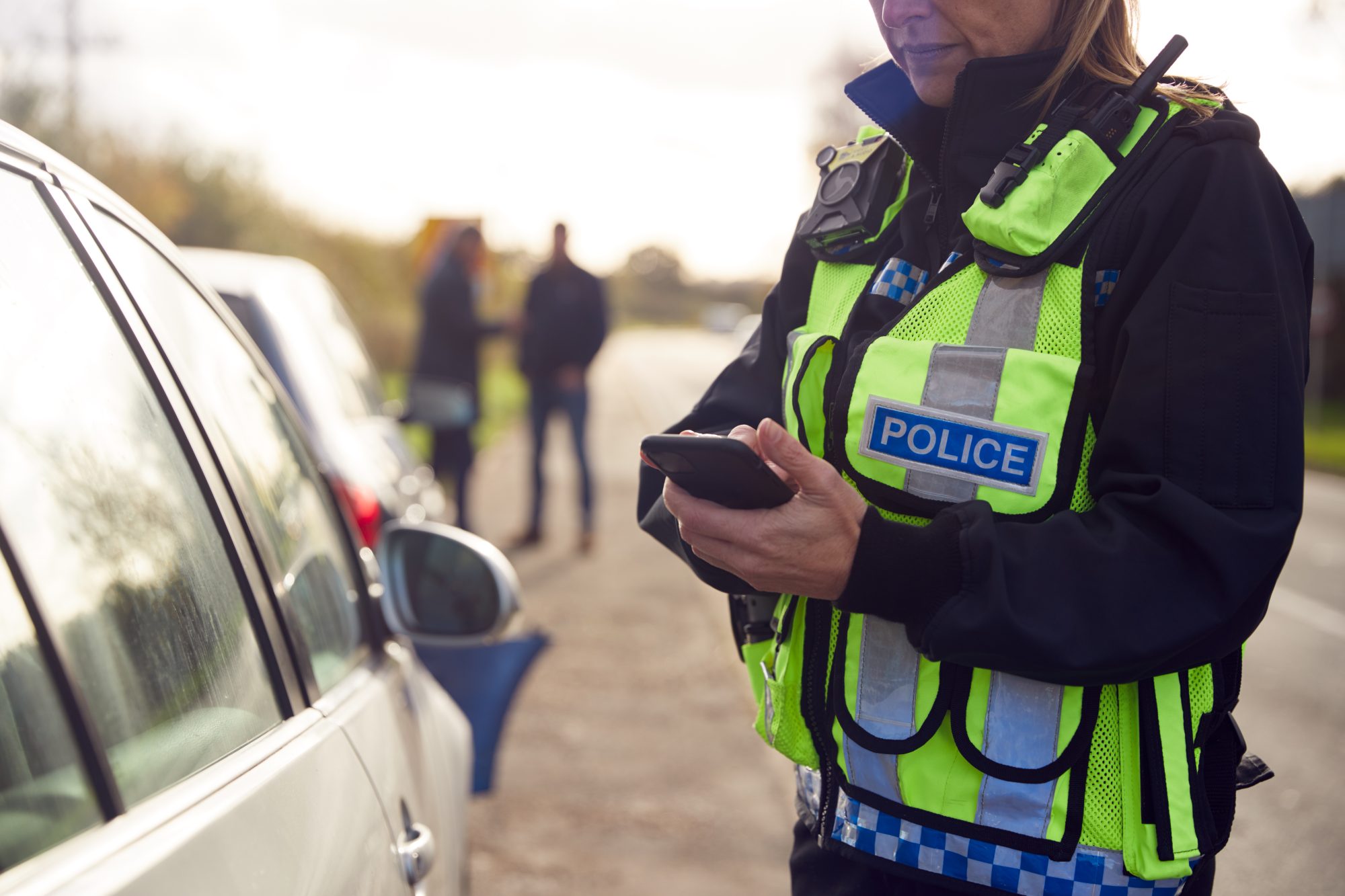
When you get arrested, police can take physical possession of your cell phone. This is called seizure, and it’s a routine part of the arrest process. Officers may seize your phone to prevent you from deleting evidence, or simply because it was on your person or in your vehicle at the time of arrest.
However, searching your phone is a separate action. This means accessing what’s stored inside: your text messages, photos, call logs, browsing history, and app data. In Riley v. California, the Supreme Court recognized that phones hold an immense amount of personal information, far more than what could be found in a wallet or briefcase. Because of this, the Court ruled that police generally need a warrant to search a phone’s digital contents, even if they lawfully seized the device itself.
This distinction matters. Just because officers seized your phone doesn’t mean they automatically have the legal right to look through it.
When Must Police Obtain a Warrant, and What Data Can the Warrant Allow Them to Search?
In most cases, police must get a warrant before searching your phone. To obtain one, officers typically need to show a judge that there’s probable cause: a reasonable belief that the phone contains evidence connected to a crime.
A warrant isn’t a blank check to search everything on your device indefinitely. Warrants are usually written to specify what officers are looking for and where they’re allowed to look. For example, a warrant tied to a drug investigation might authorize police to review text messages and call logs from a specific timeframe, but it might not apply to every photo or app on your phone.
If police search areas of your phone outside the scope of the warrant, that evidence may be challenged in court. This is one reason why reviewing the details of any warrant with your attorney is so important. An unlawful or overly broad search could work in your favor during a defense strategy.
Can Consent or an Emergency Allow Police to Search a Phone Without a Warrant?
Yes, there are exceptions to the warrant requirement. The first is consent. If you voluntarily agree to let police search your phone, they don’t need a warrant. This is why officers often ask, “Do you mind if I take a look at your phone?” You have the right to say no, and doing so does not imply guilt.
The second exception involves emergencies, sometimes called exigent circumstances. If police believe that waiting for a warrant would result in the loss of life-saving information, such as the location of a missing person, or that evidence is about to be destroyed, they may search your phone without one. Courts scrutinize these situations carefully since claiming an “emergency” can’t be used as a convenient way to bypass constitutional protections.
If you’re ever unsure whether you’re being asked for consent or informed of a legal search, it’s within your rights to ask officers to clarify and to state clearly that you do not consent to a search.
Can Police Require You to Unlock Your Phone With a Passcode, Fingerprint, or Face ID?
This is one of the more contested areas of digital privacy law. Passcodes are generally treated as testimonial evidence, meaning that revealing one could be seen as an admission of ownership or control over the phone’s contents. Courts have often held that the Fifth Amendment’s protection against self-incrimination shields you from being forced to disclose a passcode.
Biometric identifiers, like fingerprints or facial recognition, occupy murkier legal territory. Some courts have ruled that because a fingerprint or face scan doesn’t require you to reveal anything you know (unlike a password), it isn’t protected the same way. Other courts disagree, arguing that compelling biometric unlocking still forces you to potentially incriminate yourself.
Because these rulings vary by state and are still evolving, what happens in your case can depend heavily on where you’re arrested and how your local courts have interpreted these protections. If police ask you to unlock your phone using any method, it’s wise to say that you want to speak with an attorney before responding.
In Indiana, the biometrics question remains as much of a gray area as it is at the federal level. While the Supreme Court did rule in Seo v. State (2020) that people can’t be forced to give up a passcode to unlock their device, there’s disagreement about whether the case applies to biometrics. Thus, it’s always a good idea to speak to a defense attorney if police try to compel you to unlock your phone.
Protect Your Rights After an Arrest
An arrest is stressful enough without wondering whether police overstepped their bounds with your personal device. The rules governing cell phone searches exist to protect your privacy, but they only work in your favor when someone holds law enforcement accountable to them.
If you believe your phone was searched unlawfully or if you’re facing charges and are unsure what evidence police used against you, reach out to The Bellinger Law Office today. Attorney Robert Bellinger will review the details of your arrest, examine whether your rights were respected, and build a defense strategy centered on your future. Schedule a consultation to discuss your case and find out where you stand.